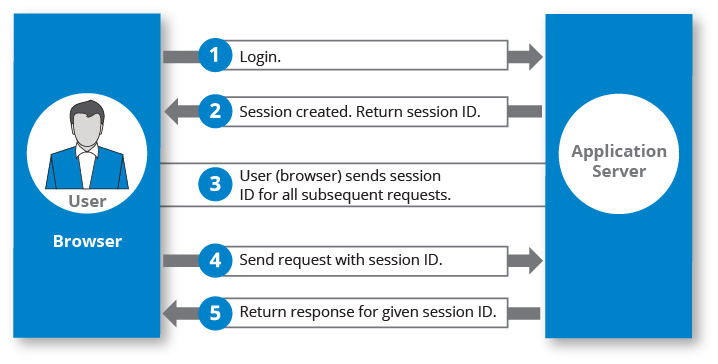
A request session is a series of HTTP requests made to the same server by the same client. The client can be a web browser, a mobile app, or any other type of software that can make HTTP requests. The server can be a web server, an API server, or any other type of software that can respond to HTTP requests.
A request session is identified by a unique session identifier, which is typically a cookie that is sent by the server to the client on the first request in the session. The client then sends the session identifier back to the server on all subsequent requests in the session.
Request sessions are used for a variety of purposes, including:
- Authentication: Request sessions can be used to authenticate users. When a user logs in to a website or app, the server creates a request session for the user and sends the session identifier to the user's browser. The browser then sends the session identifier back to the server on all subsequent requests in the session. This allows the server to know who the user is and whether they are logged in.
- State management: Request sessions can be used to manage state across multiple requests. For example, a shopping cart website might use a request session to keep track of the items that a user has added to their cart. The website can store the items in the cart in the request session and then retrieve them when the user makes a checkout request.
- Performance: Request sessions can improve performance by reducing the number of TCP connections that need to be established. When a client makes a request to a server, the client needs to establish a TCP connection with the server. This can be a time-consuming process, especially if the client is making multiple requests to the server. Request sessions allow the client to reuse the same TCP connection for multiple requests, which can significantly improve performance.
## Benefits of Using Request Sessions
There are several benefits to using request sessions:
- Improved security: Request sessions can help to improve security by preventing unauthorized users from accessing user data. For example, if a user is logged in to a website and their browser crashes, the request session will be terminated. This will prevent unauthorized users from accessing the user's account by sending requests to the server with the user's session identifier.
- Improved performance: As mentioned above, request sessions can improve performance by reducing the number of TCP connections that need to be established.
- Simplified development: Request sessions can simplify development by providing a way to manage state across multiple requests.
## How to Use Request Sessions
To use request sessions, you need to use a library that supports request sessions. One popular library is Python Requests.
To create a request session in Python Requests, you can use the following code:
import requests session = requests.Session() Once you have created a request session, you can use it to make requests to the server. For example, the following code shows how to make a GET request to the server using the request session:
response = session.get('https://example.com/') The request session will automatically send the session identifier to the server on the request.
You can also use the request session to store and retrieve data. For example, the following code shows how to store the items in a shopping cart in the request session:
session['cart'] = ['item1', 'item2'] You can then retrieve the items in the cart from the request session when the user makes a checkout request.
## Examples of Request Sessions
Here are some examples of how request sessions are used in the real world:
- Authentication: When you log in to a website or app, the website or app creates a request session for you and sends the session identifier to your browser. Your browser then sends the session identifier back to the website or app on all subsequent requests in the session. This allows the website or app to know who you are and whether you are logged in.
- State management: When you add items to your shopping cart on a website, the website stores the items in the request session. This allows you to browse the website and add more items to your cart without losing the items that you have already added. When you are ready to checkout, the website retrieves the items in the request session and displays them to you.
- Performance: When you are browsing a website, your browser may make multiple requests to the website's server. For example, your browser may request the HTML page, the CSS stylesheet, and the JavaScript
WebThe methods getSession () and getSession (boolean) are very similar. There's a small difference, though. The difference is whether the session should be created if it. Webs = requests.Session() s.auth = ('user', 'pass') s.headers.update( {'x-test': 'true'}) # both 'x-test' and 'x-test2' are sent s.get('https://httpbin.org/headers', headers={'x. WebUnder the hood, requests.get() creates a new Session object for each request made. By creating a session object up front, you get to reuse the session; this lets you. WebSession changes not saved! request. session ['my_car'] ['wheels'] = 'alloy' # Set session as modified to force data updates/cookie to be saved. request. session.. Webrequest-session is an HTTP library built on top of requests that makes your live easier by retrying whenever a request fails, logs the results or even sends metrics. WebSession object allows one to persist certain parameters across requests. It also persists cookies across all requests made from the Session instance and will use.
Want Faster HTTP Requests Use A Session with Python!
Source: Youtube.com
Python Requests | Sessions

Source: Youtube.com
What Is A Request Session, Want Faster HTTP Requests Use A Session with Python!, 9.98 MB, 07:16, 39,773, John Watson Rooney, 2021-02-10T15:00:16.000000Z, 2, How Do Web Sessions Work? | Hazelcast, 364 x 718, jpg, , 3, what-is-a-request-session
What Is A Request Session. WebThere are two primary ways of working with session data in Laravel: the global session helper and via a Request instance. First, let's look at accessing the session via a. Web""" requests.sessions ~~~~~ This module provides a Session object to manage and persist settings across requests (cookies, auth, proxies). """ import os import sys import time.
This is why I think you should use a http session when web scraping with python. It comes with many benefits and lets us access more features within the requests library, the most common and used Python library for http requests. In this video we look at the connection pooling that is allows us to access to speed up our code when sending requests to the same server. This is perfect for scraping data or accessing APIs.
What Is A Request Session, WebSession changes not saved! request. session ['my_car'] ['wheels'] = 'alloy' # Set session as modified to force data updates/cookie to be saved. request. session.. Webrequest-session is an HTTP library built on top of requests that makes your live easier by retrying whenever a request fails, logs the results or even sends metrics. WebSession object allows one to persist certain parameters across requests. It also persists cookies across all requests made from the Session instance and will use.
How Do Web Sessions Work? | Hazelcast - Source: hazelcast.com

java - Parent of session object: request or application - Stack Overflow - Source: stackoverflow.com
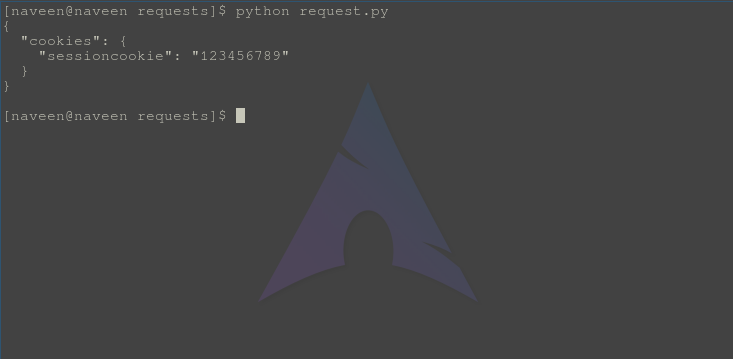
Session Objects - Python requests - GeeksforGeeks - Source: geeksforgeeks.org

Belum ada tanggapan untuk "What Is A Request Session"
Posting Komentar